1. Learn how to introduce yourself:
Vannakam! (வணக்கம்!) — Hello!
Enathu peyer…….எனது பெயர்……. — My name is…….
Unathu peyer enna? உனது பெயர் என்ன? — What is your name?
2. Learn how to read the 12 vowels:
The Tamil language has 12 vowels: அ, ஆ, இ, ஈ, உ, ஊ, எ, ஏ, ஐ, ஒ, ஓ, ஔ
Of the 12 vowels, 5 are short and 7 are long.
Short Vowels: அ, இ, உ, எ, ஒ
Long Vowels: ஆ, ஈ, ஊ,ஏ, ஐ, ஓ, ஔ
| # | Vowels | Transliteration | Example (Tamil) | Example (English) | Long / Short |
| 1 | அ | a | அம்மா (a-m-maa) / mother | nut | short |
| 2 | ஆ | ā / A / aa | ஆடு (aa-du) / goat | laugh | long |
| 3 | இ | i | இனிப்பு (i-ni-p-pu) / sweet | ink | short |
| 4 | ஈ | ii / I / ī | ஈ (ii) / fly | easy | long |
| 5 | உ | u | உடல் (u-da-l) / body | put | short |
| 6 | ஊ | ū / U / uu | ஊர் (uu-r) / town or village | bloom | long |
| 7 | எ | e | எருமை (e-ru-mai) / buffalo | pen | short |
| 8 | ஏ | ē / E / ee | ஏறு (ee-ru) / climb | ate | long |
| 9 | ஐ | ai | ஐந்து (ai-nth-thu) / five | ice | long |
| 10 | ஒ | o | ஒலி (o-li) / sound | orange | short |
| 11 | ஓ | ō / O / oo | ஓடு (oo-du) / run | show | long |
| 12 | ஔ | au | ஔடதம் (au-da-tham) / medicine | house | long |
3. Learn how to write the 12 vowels using the flashcards below:
(Please make sure the audio is turned ‘on’ in options, so you can hear the voice over).
4. Learn how to read the 18 consonants:
| # | Consonants | Transliteration | + அ | Example (Tamil) | Example (English) |
| 1 | க் | k / g | க | அக்கா (a-k-kaa) / elder sister | kite |
| 2 | ச் | c / ch / s / sh | ச | பச்சை (pa-ch-chai) / green | catch |
| 3 | ம் | m | ம | மரம் (ma-ra-m) / tree | plum |
| 4 | ட் | ṭ / T / t | ட | வட்டம் (va-t-ta-m) / circle | tap |
| 5 | வ் | v | வ | செவ்வாய் (se-v-va-y) / Tuesday | victory |
| 6 | த் | t / th | த | கத்தி (ka-th-thi) / knife | both |
| 7 | ப் | p | ப | அப்பா (a-p-paa) / father | pack |
| 8 | ய் | y | ய | மெய் (me-y) / truth | yak |
| 9 | ர் | r | ர | பெயர் (pe-ya-r) / name | stir |
| 10 | ற் | tr / R | ற | முற்றம் (mu-R-Ra-m) / garden | citric |
| 11 | ல் | l | ல | கல் (ka-l) / stone | lamp |
| 12 | ள் | ḷ / L | ள | பள்ளி (pa-L-Li) / school or mosque | marble |
| 13 | ழ் | l / zh / z | ழ | வாழ்வு (vaa-zh-vu) / life | London |
| 14 | ன் | ṉ / n | ன | பின் (pi-n) / back | sin |
| 15 | ண் | ṇ / N | ண | கண் (ka-N) / eye | sun |
| 16 | ந் | n | ந | பந்து (pa-nth-thu) / ball | panther |
| 17 | ங் | ṅ / ng | ங | வாங்கு (vaa-ng-ku) / buy | ring |
| 18 | ஞ் | ñ / nj | ஞ | மஞ்சள் (ma-nj-cha-l) / yellow | syringe |
5. learn how to write the 18 consonants using the flashcards below:
6. Learn how to pronounce letters that sound the same in English!
‘ன்’, ‘ண்’, ‘ங்’, ‘ஞ்’, and ‘ந்’
‘ன்’ is called ‘rendu soolli naana’ (the letter N with two circles). When you pronounce it, the tip of your tongue should lightly hit your teeth. It never occurs at the beginning of a word. The consonant ‘ன்’ is always used when the ‘ற’ sound follows (notice these letters are next to each other in alphabet). For example: பன்றி (pig), கன்று (calf), நன்றி (thank you).
‘ந்’ sounds similar to ‘ன்’. It often appears next to ‘த’ in a ‘ந்த’ pair and has a slight ‘th’ sound. For example: அந்த (that), மந்திரி (minister), கந்தோர் (office), பந்து (ball). As a consonant (ந்) it can occur in the middle of the word, otherwise it occurs at the beginning of a word. For example: நகம் (claw), நண்டு (crab), நான்கு (four), நாவல் (novel). It never occurs at the end of a word, except in names.
‘ண்’ is called ‘mundu soolli naana’ (the letter N with three circles). When you pronounce it, the tip of your tongue should roll back and hit the back of your hard palate or the roof of your mouth. It never occurs at the beginning of a word. The consonant ‘ண்’ is always used when it is followed by a ‘ட’ sound (again, notice these letters are adjacent in the alphabet). For example: கண்டம் (continent), மண்டபம் (hall), சண்டை (fight), etc.
‘ங்’ often appears next to ‘க’ as the ‘ங்க’ pair and has a slight ‘g’ sound at the end. For example: வங்கி (bank), பூங்கா (park), இறங்கு (climb down).
‘ஞ்’ has a slight ‘j’ sound at the end.
Practice using the flashcards below:
‘ல்’, ‘ள்’ and ‘ழ்’
‘ல்’ is called ‘small L’ or ‘pambu lana’ (the snake like letter L). When you pronounce it, the tip of your tongue should hit your teeth.
‘ள்’ is pronounced by the tip of your tongue hitting the middle of your hard palate.
‘ழ்’ is called ‘big L’. When you pronounce it, the tip of your tongue should roll back and hit the back of your hard palate. When transliterated in English it is written ‘zh.’
Practice using the flashcards below:
‘ர்’ and ‘ற்’
‘ர்’ is called ‘small R’ or ‘soft R.’ When you pronounce it, the tip of your tongue should lightly hit your front teeth.
‘ற்’ is called ‘big R’ or ‘hard R’. When you pronounce it, the tip of your tongue also hits your front teeth but harder, but it has a slight ‘t’ sound too. The consonant ற் never begins a word.
Practice using the flashcards below:
7. Practice your pronunciation. Read the following words aloud and note the difference:
a) பலம், பழம்
b) வலம், வழம்
c) மனம், மணம்
d) ஐ, ஐவர்
e) கல், கள்
f) மன்னன், கண்ணன்
g) அவல், அவள்
h) இகம், ஈகம்
i) மண், மஞ்சள், மங்களம்
j) சந்தம், சங்கம்
8. Review the Letter FAQs:
1. Is ட a ‘t’ or a ‘d’ sound? ட usually sounds more like a ‘t’ when it has a hard stop / dot on top (ட்) or is used in a combination with ட். For example, பாட்டு (song) is pronounced paa-Tu and சட்டம் (law) is pronounced suT-um. Otherwise it is pronounced as a ‘d’ sound. For example, உடை (attire) is pronounced oo-Dai and கடை (shop) is pronounced ka-Dai.
2. Is ற a ‘R’ sound or a ‘tR’ sound? With a dot on top (ற்) this letter sounds like ‘tR’ but without a dot on top (ற) or in combination vowels it loses the ‘t’ sound. So for example ற (Ra), றி (Ri), or று (Ru). The letter ற sounds more like a ‘tRa’ than a ‘Ra’ sound when it is used in combination with ற். For example, காறு (hawk) is pronounced kaa-Ru, but காற்று (wind) is pronounced kaa-tR-tRu.
3. What’s the difference between ‘ப்’ and ‘ப’? What difference does the dot make? The dot on top of a consonant gives that letter a hard stop. So ப் would be pronounced as ‘up‘ and ப would be pronounced ‘puh‘. The dotted consonants are usually found at the end of the word or syllable (e.g. கல், வணக்கம், பெயர்)
4. Sometimes the ‘ர’ shape is written without its leg – what does that mean?
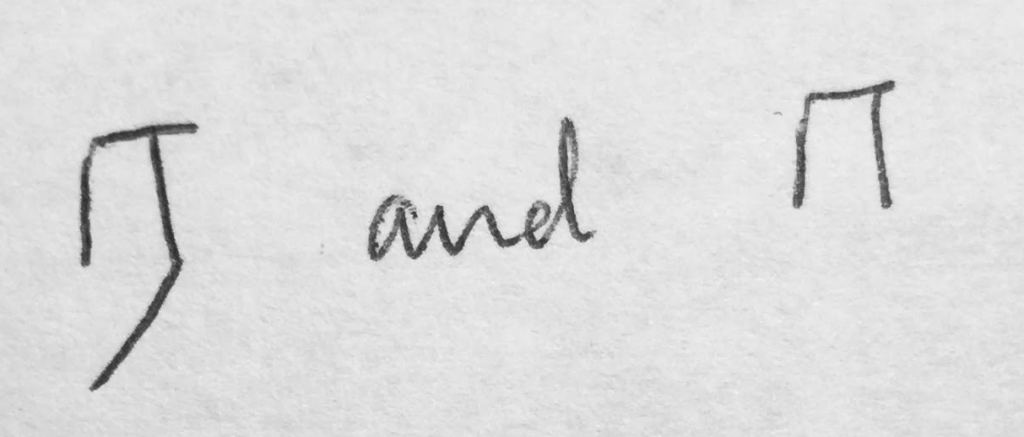
When the shape ‘ர’ occurs without its leg it usually refers to the vowel –ஆ being added on to a consonant as in: மா, பா, or டா. You’ll learn more about the formation of compound letters in lesson 2.
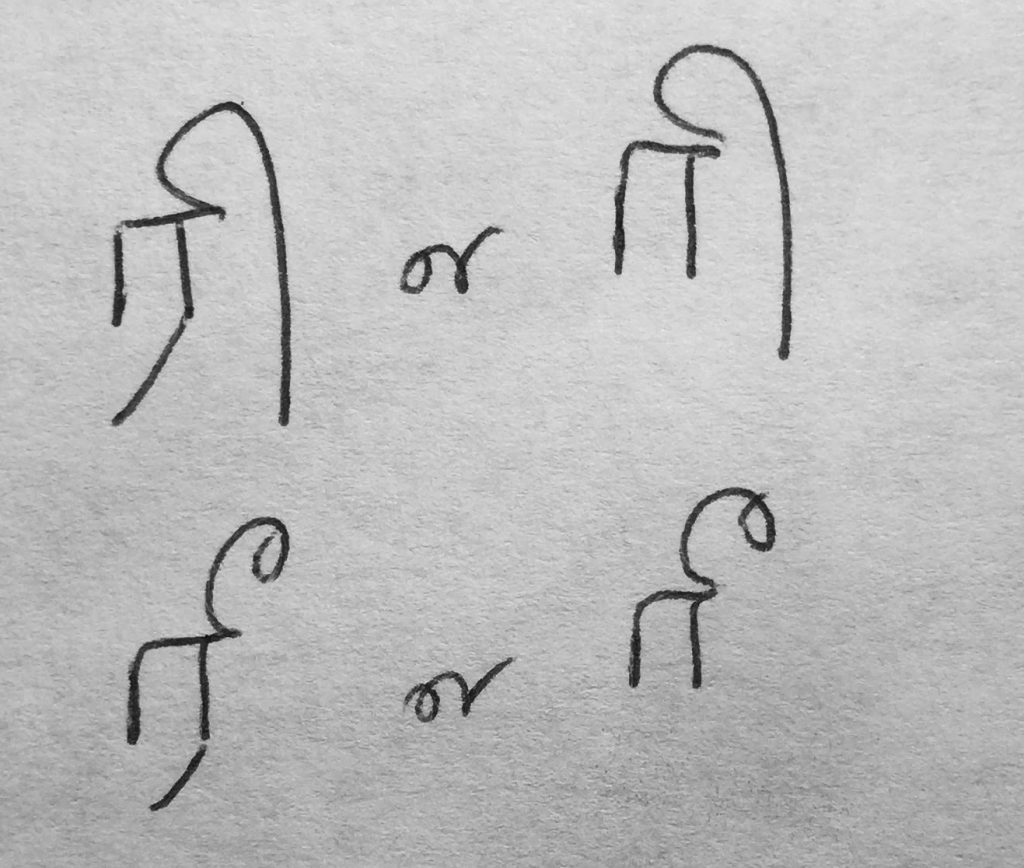
Sometimes in handwriting in practice the letter ‘ர’ may drop its leg when it is added to the இ or ஈ vowels as in the images above. These compound letters are still pronounced the same, as ‘ri’ and ‘rii’ respectively.
5. What’s பூ? I’ve only learned ப். Each of the consonants (like ப் or ப ) that you have learned in this section combine with the vowels to form new letters (like பூ). Don’t worry about the letters you can’t recognize right now. We’ll cover those in lesson two.
6. Why is ஐ considered a long vowel?
ஐ = அ + இ (ai = a + i )
7. Why is ஔ considered a long vowel?
ஒள = அ + உ (au = a + u )
8. Why is ச pronounced like an ‘s’ in பசி (pa-si) but like a ‘ch’ in பச்சை? (pa-ch-chai)?
The pronunciation of letter ச varies according to the context. These variations you will have to learn with practice.